
CELEBRITY
🔥 KATE MIDDLETON UNDER FIRE OVER HER INDIA VISIT! After 15+ Years of Royal Influence, Critics Are Asking WHY HER ENORMOUS GLOBAL PLATFORM ISN’T BEING USED MORE LOUDLY TO HIGHLIGHT INDIA’S DEVASTATING SOCIAL CRISES — CHILD LABOUR, POVERTY, SEXUAL VIOLENCE AGAINST WOMEN AND ABANDONED CHILDREN! IS ROYAL GLAMOUR OVERSHADOWING THE REAL ISSUES?

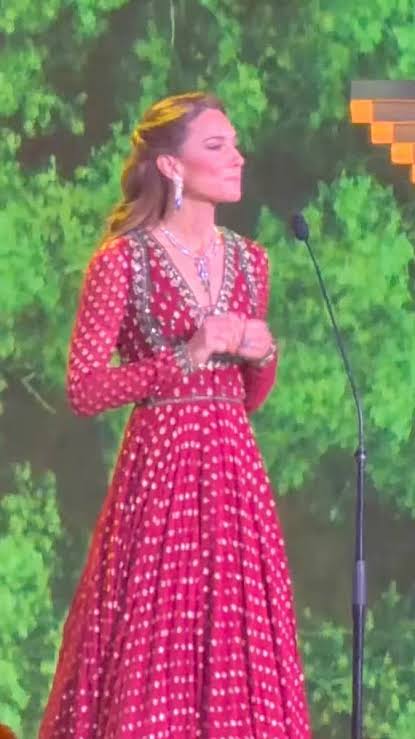
The Princess of Wales, Catherine, has once again found herself at the centre of public discussion, as questions emerge about the responsibilities that come with having one of the world’s most recognisable royal platforms.
Her visit to India has attracted attention, with royal watchers discussing her public engagements, diplomatic appearances and the broader significance of her international influence. While royal visits traditionally celebrate cultural connections, strengthen relationships and highlight charitable initiatives, some observers believe they should also create opportunities to address difficult social realities.
Among the issues being raised are child labour, widespread poverty, violence against women and the challenges faced by vulnerable and abandoned children.
These are deeply concerning issues that affect millions of lives and continue to demand attention from governments, charities, international organisations and communities.
THE BIGGER QUESTION ABOUT ROYAL INFLUENCE
Having spent more than 15 years as a prominent member of the British Royal Family, Catherine has developed an enormous international profile.
Through her public engagements and charitable initiatives, she has become particularly associated with early childhood development, family wellbeing and the importance of nurturing environments for children.
Her work has helped bring attention to the importance of children’s early years. However, critics and commentators sometimes question whether influential public figures could use their international visibility more broadly to draw attention to other pressing humanitarian concerns.
The debate is not necessarily about whether Catherine should personally solve India’s problems. Rather, it concerns how much influence prominent international figures can exercise when they choose to highlight particular causes.
INDIA’S SOCIAL CHALLENGES DESERVE MORE ATTENTION
India has made significant progress in several areas, but serious social challenges remain.
Child labour continues to raise concerns, particularly where children are denied educational opportunities and exposed to exploitation.
Poverty also remains a major concern for vulnerable communities, while violence against women continues to demand stronger protection, justice and social support.
Another important issue is the welfare of children without stable family environments. Charitable organisations and child-protection advocates continue to work towards providing these children with safety, education and opportunities for a better future.
These challenges deserve sustained attention beyond occasional international visits or high-profile public appearances.
DOES ROYAL GLAMOUR DISTRACT FROM THE MESSAGE?
One of the recurring debates surrounding royal tours is the attention given to fashion, photographs, ceremonial appearances and carefully organised engagements.
Catherine’s clothing and public presentation frequently attract enormous media coverage, sometimes overshadowing the charitable or diplomatic purpose of an event.
For some commentators, this raises an important question: could the media devote more attention to the causes being highlighted rather than concentrating primarily on what royal figures wear and where they appear?
Others argue that the attention generated by royal fashion and celebrity-style coverage can actually provide an opportunity to introduce wider audiences to important charitable causes.
The challenge is ensuring that the humanitarian message does not disappear behind the spectacle.
CATHERINE’S WORK WITH CHILDREN REMAINS SIGNIFICANT
It is important to recognise that Catherine has established a substantial public focus on early childhood development through her charitable and advocacy work.
Her involvement in children’s wellbeing demonstrates an interest in issues that extend beyond traditional royal ceremonies.
Nevertheless, the conversation about her India visit highlights the expectations placed on modern royals. Their influence is not measured only by the number of engagements they attend but also by the conversations their platforms help generate.
A DEBATE THAT GOES BEYOND THE PRINCESS OF WALES
Ultimately, India’s social challenges cannot be solved by one royal visit or a single international personality.
Meaningful progress requires effective public policies, investment in education, stronger child-protection systems, support for survivors of violence and sustained action from institutions responsible for protecting vulnerable people.
However, influential public figures can help amplify important conversations and encourage greater public awareness.
Whether Catherine should use her platform more prominently to address these particular issues is a matter of public debate.
One thing remains clear: behind the glamour of international royal visits are real communities facing difficult challenges, and their stories deserve to be heard.
The bigger question is this: When someone has the attention of millions around the world, should that influence be used more forcefully to highlight the struggles of vulnerable people?

🔥 KATE MIDDLETON UNDER FIRE OVER HER INDIA VISIT! After 15+ Years of Royal Influence, Critics Are Asking WHY HER ENORMOUS GLOBAL PLATFORM ISN’T BEING USED MORE LOUDLY TO HIGHLIGHT INDIA’S DEVASTATING SOCIAL CRISES — CHILD LABOUR, POVERTY, SEXUAL VIOLENCE AGAINST WOMEN AND ABANDONED CHILDREN! IS ROYAL GLAMOUR OVERSHADOWING THE REAL ISSUES?

🔥🚨 INTERNET EXPLODES! TAYLOR SWIFT AND TRAVIS KELCE SPARK BABY FEVER WITH SHOCKING BEACH PHOTOS! Travis Tenderly Places His Hand on Taylor’s Stomach While Holding a Rose in a ROMANTIC MOMENT — Fans Are Convinced a HUGE BABY REVELATION Is Coming! 😱🌹👶

PRINCESS CATHERINE’S MATERNAL TOUCH: Princess of Wales comforts grieving mother and meets ‘miracle baby’ who endured 45 minutes of CPR after birth during visit to maternity hospital in India

🔥🚨 ABSOLUTELY UNREAL! JENNIFER LOPEZ, 57, HAS THE INTERNET LOSING ITS MIND! Singer Spotted Getting VERY CLOSE to a MYSTERY MAN on a Luxury Miami Yacht — And the Intimate Photos Are Sending Social Media Into TOTAL MELTDOWN! 👀🔥

♥️🔥💙 JUST IN: Taylor Swift and Travis Kelce JOIN Patrick Mahomes and His Wife for an EXCLUSIVE Home Gender Reveal Party — IT’S A BOY! 🍼🎉 The Mahomes Family Is Celebrating Their Little Prince, But It’s the Baby’s REVEALED NAME and Its Heartwarming Meaning That Has Everyone Talking! 😍👶

💔😭👀 Meghan Markle Faces Fresh Controversy As Viral Photos Spark New Speculation About Archie And Lilibet’s Biological Mother. The little girl looks like her biological mother this woman…..

Taylor Swift Finally Breaks Silence on Pregnancy Rumors After Husband Travis Kelce Was Spotted Getting Touchy-Feely With Her in Recent Photos, as Fans Notice She’s Hiding a Growing Baby Bump, but Travis Kelce’s Reaction Raises Even Bigger Questions

I fell in love with PRINCESS CATHERINE’S EARRINGS so much, I had a jewellery artist RECREATE them for me out of clay!! She sells lots of beautiful designs and of course makes custom ones! Great with Christmas around the corner!!

🚨 ROYAL FANS STUNNED! William and Kate Ditch Royal Luxury for a SURPRISE Mumbai Metro Ride Alongside Ordinary Commuters! But One Unexpected Moment on Board Has Everyone Asking Questions! 😱🚇❤️

Jamie Lee Curtis, 68, spotted enjoying an intimate beach with her pregnant 50 year old wife

Taylor just gave fans the first real look inside their Ohio home… and it’s pure magic. Her, Travis, and their fluffy white baby Wendy celebrating three months of marriage + Travis’s 37th birthday the only way this power couple knows how — after that emotional Chiefs 30-27 victory. Double-tap if this melted your heart Tag your Swiftie or Chiefs bestie who needs to see this RIGHT NOW
