
NEWS
Trump Explodes at Netanyahu in Shocking Phone Call as Global Tensions Spiral

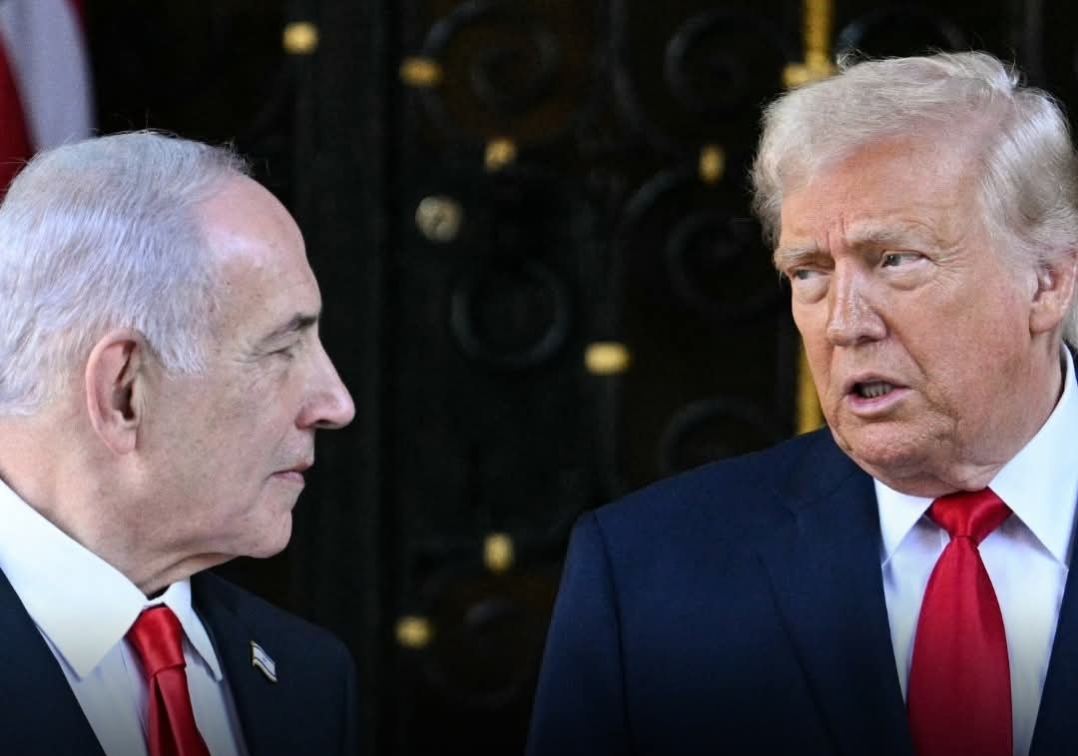
Trump Explodes at Netanyahu in Shocking Phone Call as Global Tensions Spiral
What was supposed to be a high-level diplomatic conversation reportedly turned into one of the most explosive exchanges between two powerful leaders in recent history.
Behind closed doors, tensions boiled over as former U.S. President Donald Trump and Israeli Prime Minister Benjamin Netanyahu clashed in a heated phone call that insiders say quickly spiraled out of control. According to reports, the conversation was anything but calm — it was intense, emotional, and filled with frustration on both sides.
Sources familiar with the call claim Netanyahu did not hold back. At one point, he allegedly lashed out with harsh words, warning of growing global backlash and claiming that international sentiment was rapidly turning. The tone of the conversation reportedly shocked even those accustomed to high-stakes diplomacy.
But Trump’s reaction may have been even more dramatic.
Witnesses say Trump, clearly angered by the direction of the situation, fired back with a blunt and furious response. His frustration reportedly centered on the fear that ongoing actions could derail delicate diplomatic efforts in the region — efforts that had taken months, if not years, to build.
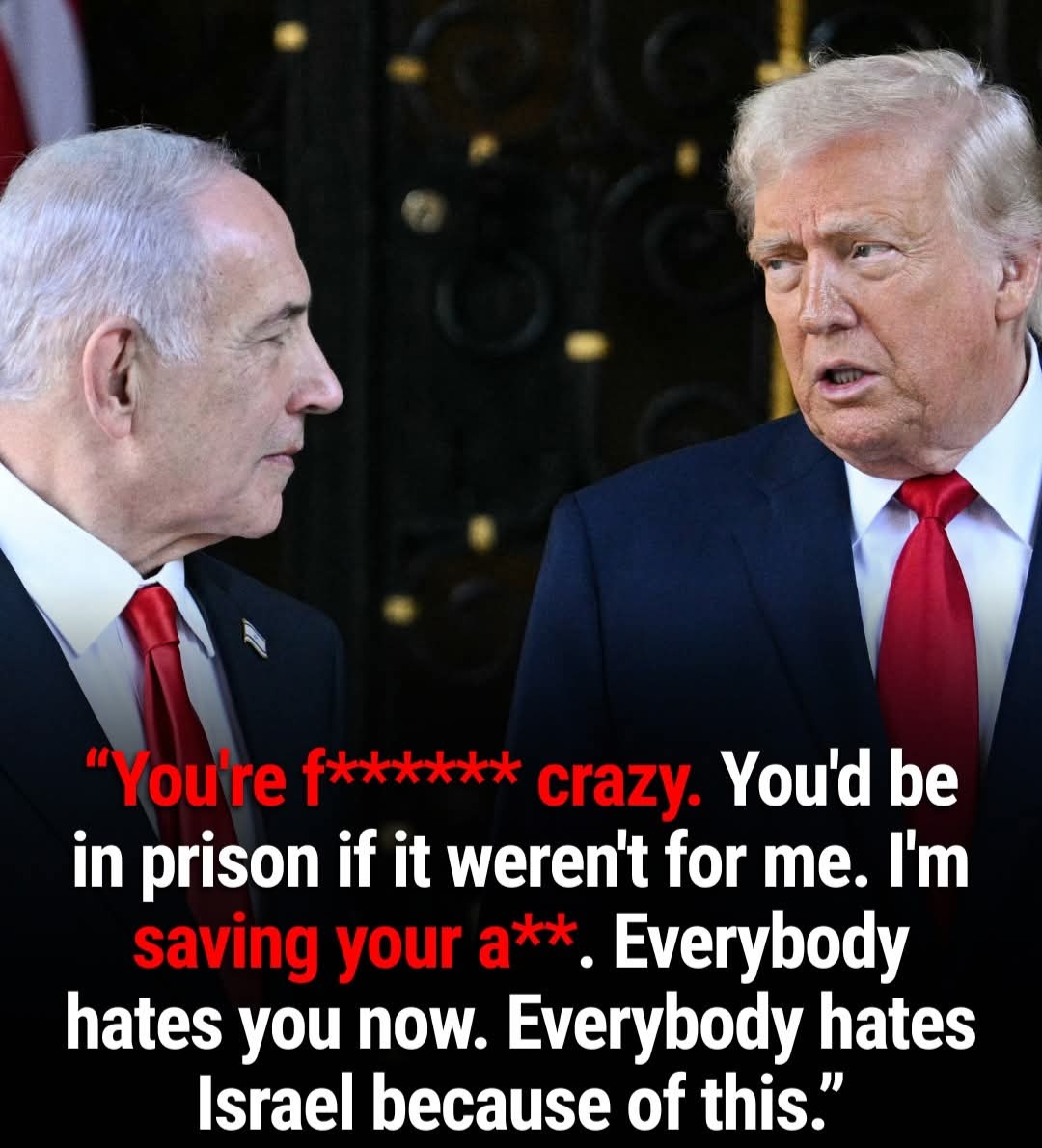
At one moment during the call, Trump is said to have erupted, questioning the decisions being made and expressing concern that the consequences could be far-reaching. The intensity of his reaction highlighted just how serious the situation had become behind the scenes.
This was not just a disagreement — it was a clash of strategy, perception, and urgency.
For Netanyahu, the pressure appears to be mounting from all directions. International criticism, rising tensions, and growing scrutiny have placed him in a difficult position. His alleged remarks during the call suggest a leader feeling the weight of global opinion and the need to act decisively.
For Trump, however, the focus seemed to be on control and long-term consequences. Reports indicate he was deeply concerned that aggressive moves could ignite a larger crisis, potentially undoing progress made through careful negotiation.
The fallout from this exchange is already raising eyebrows among political analysts and observers worldwide.
Many are now asking a critical question: What does this mean for the future of U.S.-Israel relations?
While both leaders have historically maintained a strong alliance, moments like this reveal the cracks that can form under extreme pressure. Disagreements at this level are not unusual, but the tone and intensity described in this call suggest something deeper — a rare and significant breakdown in communication.
Beyond politics, the implications could extend to global stability.
Diplomatic efforts in the region are often fragile, requiring careful coordination and mutual understanding. When tensions rise between key players, the ripple effects can be felt far beyond the immediate conflict zone.
As details continue to emerge, one thing is clear — this was not just another routine conversation.
It was a moment that exposed the raw, unfiltered reality of leadership under pressure.
And now, the world is watching closely to see what happens next.








Taylor Swift Spotted Looking Emotional as She Watches Tyquan Thornton Try to Stand Up Before Realizing His Ankle Is Broken After a Big Play Against the Raiders – A Heartbreaking Moment as Brittany Mahomes Comforts Taylor as She Struggles to Hold Back Her Emotions

Taylor Swift Stuns as She Is Spotted at Allegiant Stadium With Brittany Mahomes, Who Shows Off Her New Arm Tattoo to Taylor, as They Support and Cheer for Their Husbands, Travis Kelce and Patrick Mahomes, During the High-Stakes Chiefs vs. Raiders Game

Taylor Swift Breaks NFL Protocol Again and Rushes to Hug Husband Travis Kelce as He Leads the Charge Onto the Field at Allegiant Stadium for Chiefs vs. Raiders Game

Taylor Swift and Husband Travis Kelce Spotted in an Adorable Moment as They Stroll Onto the Field at Allegiant Stadium for Warmups Ahead of Chiefs vs. Raiders Game

Taylor Swift Steals the Spotlight as She Shouts “My Mr. Cleveland” and Runs to Hug Husband Travis Kelce Upon His Arrival at Allegiant Stadium for Chiefs vs. Raiders Game

Taylor Swift Arrives in Las Vegas on Her Private Jet Alongside Her Parents Andrea and Scott Swift and Husband Travis Kelce’s Parents Donna and Ed Kelce to Support Travis at the High Stakes Chiefs vs. Raiders Game

Taylor Swift, Brittany Mahomes and Dakota Johnson Steal the Spotlight as They Pose Together After Taylor Surprises Dakota With a Birthday Cake Following the End of the SNL Broadcast

Travis Kelce Breaks Chiefs and NFL Protocol Again by Ditching the Team Hotel for a Dinner Double Date With Wife Taylor Swift, Showing Off His Brand New Dramatic Haircut, Alongside Patrick Mahomes and Brittany Mahomes to Celebrate Their 3 Month Wedding Anniversary Ahead of the Chiefs vs. Raiders Game

Taylor Swift Breaks Las Vegas Airport Protocol and Steals the Spotlight as She Bursts Into the Airport to Welcome and Hug Husband Travis Kelce Upon His Arrival With His Chiefs Teammates Ahead of the Chiefs vs. Raiders Game on Their Three Month Wedding Anniversary, Leaving Fans Replaying the Moment She Slipped Past Patrick Mahomes, Who Couldn’t Catch Her or Slow Her Down

Travis Kelce Breaks NFL Protocol Again and Ditches the Chiefs’ Team Plane to Las Vegas Ahead of the High-Stakes Chiefs vs. Raiders Game, Spotted Celebrating His Three-Month Wedding Anniversary With Wife Taylor Swift at Joe’s Kansas City Bar-B-Que on a Shocking Anniversary Date, Looking Unbothered and Deeply in Love

Taylor Swift Steals the Spotlight in Emotional Kansas City Airport Moment With Husband Travis Kelce and His Fresh New Haircut as She Hugs Him and Refuses to Let Him Board the Chiefs’ Plane to Las Vegas for the Chiefs vs. Raiders Game on Their 3-Month Wedding Anniversary
