
CELEBRITY
Chloe was drugged with ketamine, zipped into a suitcase, and driven to a farmhouse where two men listed her body for sale on the dark web. The auction price was €300,000. The buyer was supposed to be somewhere in the Middle East. She was 20 years old. She had a baby waiting for her in London. Nobody knew where she was. No one was coming. She spent six days in that farmhouse – handcuffed, drugged, told she’d be sold like cargo. She survived by doing the only thing she could: she made her kidnapper fall in love with her. Slept in his bed. Told him she could be his girlfriend. Played the role until he believed it enough to drive her to freedom. And when she finally got out – the entire world called her a liar.

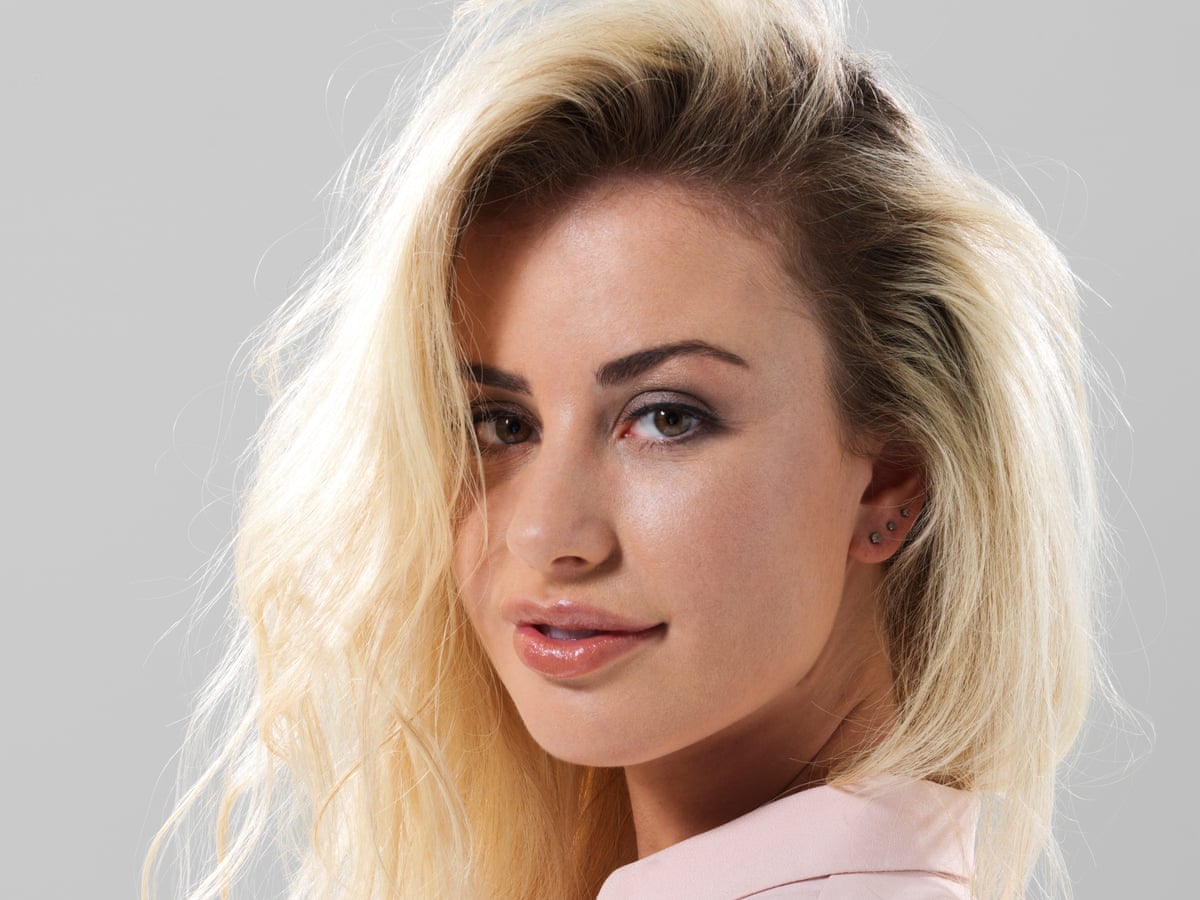
The story of Chloe Ayling remains one of Britain’s most disturbing kidnapping cases, not only because of what happened to her in Italy but also because of the public reaction that followed her escape.
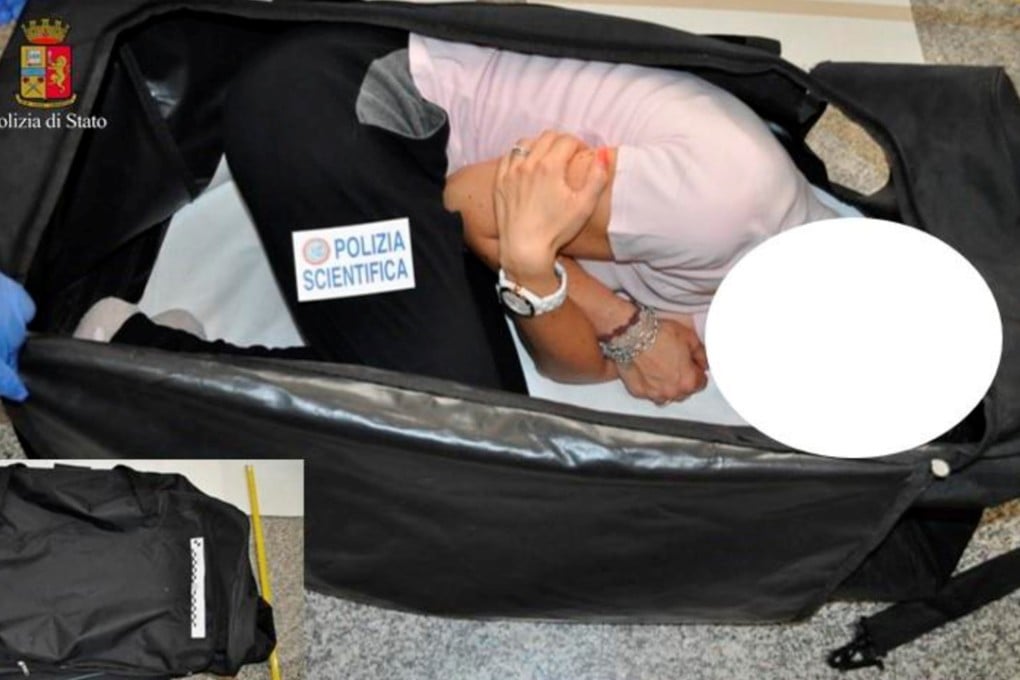
In July 2017, the then-20-year-old British model travelled to Milan, Italy, believing she was attending a professional modelling photoshoot. Instead, she found herself at the centre of a terrifying criminal investigation that would attract international attention.
According to her account and evidence presented during the subsequent court proceedings, Ayling was drugged with ketamine, restrained and transported inside a bag to a remote farmhouse near Turin.
Her captors allegedly threatened to sell her through an online auction for €300,000. The threat involved a supposed international criminal organisation and a potential buyer in the Middle East.
For a young mother with a child back home in London, the situation was frightening beyond imagination.
Six Days That Changed Her Life
Ayling spent six days in captivity. During that period, she was reportedly restrained and subjected to psychological intimidation.
Her captor, Lukasz Herba, allegedly told her that she would be sold if the ransom demand was not met.
But an unexpected development would become central to her eventual release.
Ayling recognised that Herba appeared emotionally interested in her. She later explained that she used this apparent attachment to persuade him that a relationship between them might be possible.
It was a calculated survival response in an extremely frightening situation.
Eventually, Herba drove her to the British consulate in Milan, where she was able to seek assistance and report what had happened.
Her release brought an end to six days of captivity, but it did not end the ordeal surrounding her story.
When the Public Started Questioning the Victim
Rather than receiving universal sympathy, Ayling soon found herself facing intense public scrutiny.
Some people questioned why she had appeared relatively calm after her release. Others focused on photographs and reports showing her behaving comfortably around her alleged captor during the period of captivity.
Her decision to use emotional persuasion as a survival strategy also became a subject of public debate.
Herba, meanwhile, claimed that Ayling had agreed to participate in a publicity stunt. He suggested that the alleged kidnapping had been organised to help her career.
Those allegations generated widespread controversy, with the young model finding herself defending her account while attempting to recover from the experience.
The Court Case That Changed Everything
The legal proceedings eventually brought an important development.
In June 2018, an Italian court convicted Lukasz Herba of kidnapping Ayling and sentenced him to 16 years and nine months in prison.
The conviction was a significant moment after months of public speculation and accusations.
His brother, Michal Herba, was also subsequently convicted in connection with the case.
The criminal proceedings established that Ayling’s kidnapping was not simply a story invented for publicity, despite the allegations made by the defence.
The Lasting Impact of Public Disbelief
For Ayling, escaping captivity was only one part of a much longer journey.
She also had to deal with the consequences of having her credibility questioned publicly. Interviews, headlines and online discussions repeatedly examined her behaviour instead of focusing on the seriousness of the crime.
Her experience raised difficult questions about how society expects victims of serious crimes to behave.
Must someone cry constantly to be believed? Must every reaction fit a particular image of fear? And why are survivors sometimes judged more harshly than the people accused of harming them?
Ayling’s story demonstrates that people respond to frightening experiences in different ways. A survivor’s behaviour should not automatically be treated as evidence that an allegation is false.
Years after the incident, her kidnapping remains a reminder of the dangers of criminal exploitation and the additional burden victims can face when their experiences become public controversies.
For Chloe Ayling, those six days in Italy became an experience that would follow her long after she returned home. Her survival story is also a reminder that the public’s first reaction is not always the final word on the truth.

Harry Kane’s wife, Katie Goodland, is turning heads with a noticeably different look! 👀 After facing criticism from fans, her latest public appearance has sparked fresh conversations online. While others are simply noticing her new look.🔥

Angelina Jolie’s adopted daughter suddenly seek out her former adoptive father, Brad, begging him on her knees to take her home, saying Angelina couldn’t afford to give her $20,000 a week in living expenses. Apparently, Brad turned her down.

Pharrell Williams at 53 just showed the internet what happens when the anti-aging creams finally lose

Justin Timberlake’s rarely seen sons, 11 and 6, make surprise runway appearance with famous dad

Sean “Diddy” Combs’ son, King Combs, was spotted at an event enjoying

John Cena shares pictures of himself chilling with his sugar queen mama, leaving fans in shock. He says he has always had love for older women, even back in his 20s. “The older the cake, the sweeter the taste!” 😲😀❤️

Taylor Swift at today’s Chiefs game with Karlie Kloss.

Chloe was drugged with ketamine, zipped into a suitcase, and driven to a farmhouse where two men listed her body for sale on the dark web. The auction price was €300,000. The buyer was supposed to be somewhere in the Middle East. She was 20 years old. She had a baby waiting for her in London. Nobody knew where she was. No one was coming. She spent six days in that farmhouse – handcuffed, drugged, told she’d be sold like cargo. She survived by doing the only thing she could: she made her kidnapper fall in love with her. Slept in his bed. Told him she could be his girlfriend. Played the role until he believed it enough to drive her to freedom. And when she finally got out – the entire world called her a liar.

Gordon Ramsay turns 60! How chef maintains his ripped physique with extreme fitness regime after overhauling his lifestyle as star vows to ‘never slow down’

Moment Russell Brand flashes card saying ‘obey’ to Katy Perry on Oscars red carpet after she disagrees with him – as she prepares to ‘reveal secrets about her “dark marriage” to convicted rapist’

P Diddy’s son walked up to a 20-year-old girl at 7 a.m., handed her white slippers, and told her she’d been chosen to enter the house. Inside, every room had people having sex. Naked bodies in the pool. Waitresses pushing drinks no one asked for. Her phone was locked in a sealed case. There were no cameras, no evidence, and no way out she could see. She told this story two years before the FBI kicked down his door.
