
CELEBRITY
Russell Brand flipped a woman who only agreed to vaginal sex with a condom, ripped it off, forced anal sex while she begged him to stop twice, and told her he wanted her to feel his cum.

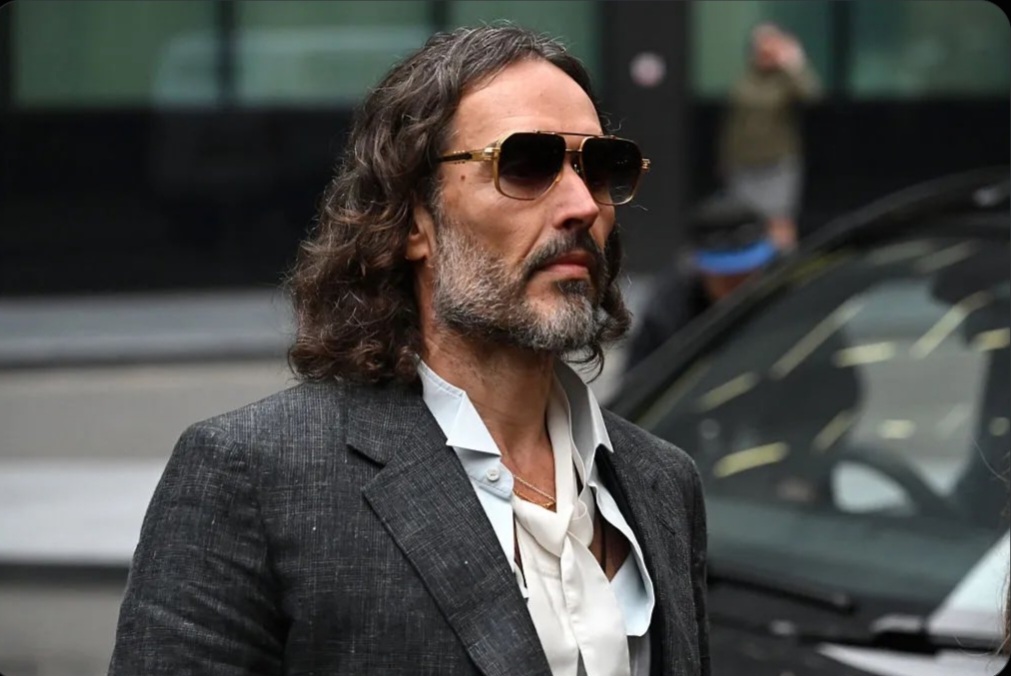
The sexual assault case involving British comedian and actor Russell Brand has taken another disturbing turn following details presented in court about an alleged attack on a young woman in 2009.
The woman, who was in her early twenties at the time, reportedly met Brand after attending one of his comedy performances at the Hammersmith Apollo in London. According to evidence presented during the trial, she initially agreed to consensual sexual activity with the comedian at his home several days later.
However, prosecutors told the court that the encounter allegedly took a frightening turn when Brand removed the condom and forced sexual activity that the woman had not agreed to.
According to her account, she repeatedly asked him to stop, but he continued despite her objections.
One particularly disturbing detail emerged when the woman recalled Brand allegedly telling her that he wanted her to feel his semen. She said this was when she realised that he was no longer wearing the condom.
The prosecution also presented evidence about the emotional and psychological consequences of the incident, including the woman’s account of feeling humiliated and deeply distressed.
The case became part of a wider investigation involving allegations from six women concerning incidents between 1999 and 2009.
Brand denied the charges and maintained that the sexual encounters were consensual. However, following the trial, a jury found him guilty of one count of rape and three counts of sexual assault. He was acquitted of two other rape charges and one charge of attempted indecent assault.
On November 9, 2026, Brand was sentenced to 10 years and six months in prison.
The case has attracted considerable public attention, particularly because of the seriousness of the allegations and the testimonies presented by the women involved.
For many observers, the verdict represents an important moment in the pursuit of accountability, while the experiences described by the complainants have renewed conversations about consent, personal boundaries and the responsibility to respect another person’s decision.
The central message remains clear: consent must be freely given, and agreeing to one form of sexual activity does not mean agreeing to another.

Ross Lynch responds to a TikTok pointing out that he still has photos of himself with Jaz Sinclair on his Instagram, despite now being married:

Magic Johnson was spotted looking dramatically slimmer with grey hair while shopping with Samuel L. Jackson in Paris.

Taylor Swift and Travis Kelce’s Ohio neighbors fight to stop landscape plans for new home: ‘Animals need places to have sex’

The cake Travis Scott got for Kylie’s 20th birthday (2017)

When Hailey Baldwin begged for an interview magazine cover and the magazine itself ended up exposing that she was the one who had asked for it. 😭

Alaina Kunes, a University of Mississippi student who was captured on video walking past an apartment making monkey noises and gestures at the door, has issued a public apology

People who change their style depending on who they’re dating lowkey scare me

Amanda Bynes, 40, shows off her Ozempic weight-loss as she looks slimmer than ever 😱🔗

83 year old Michele lamy and 28 year old Jaden smith has announced their engagement just few days after his visit to her . Says she’s inlove with him and will give him 80% of her properties to prove her love.

Gordon Ramsey looks handsome in newly shared photos..

Jaden Smith shares pictures of himself with the popular “Illuminati Queen,” Michèle Lamy. He reportedly visited her at her home to seek her blessings. She welcomed him warmly, and the two spent quality time together, sharing beautiful mother-and-son moments. ❤️
