
CELEBRITY
The New York City Council has passed a ban on surveillance pricing 44-5. Mayor Zohran Mamdani is expected to sign the bill.

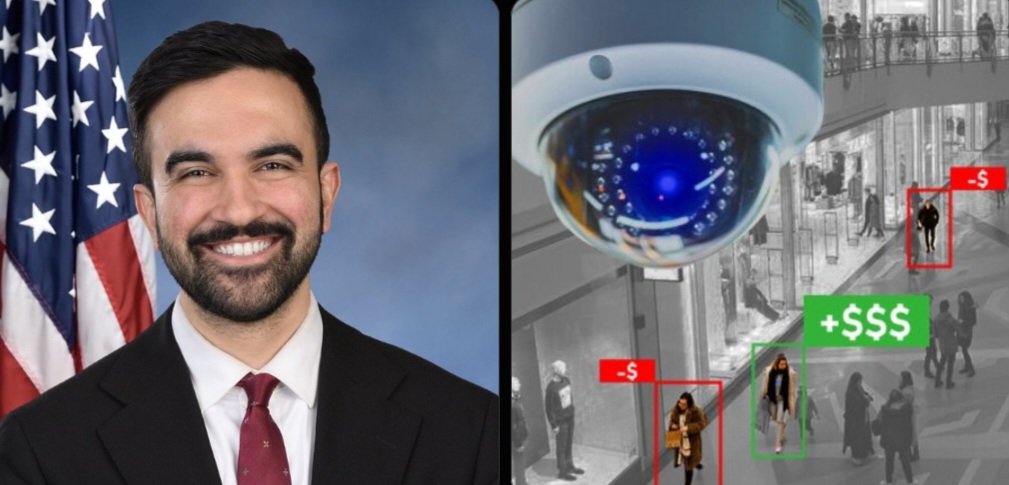
In a significant move aimed at protecting consumers, the New York City Council has passed legislation banning surveillance pricing by an overwhelming vote of 44-5, marking a major step toward greater transparency and fairness in the city’s marketplace.
The legislation targets a controversial pricing practice in which businesses use personal data, browsing habits, shopping histories, location information, and other consumer details to determine how much individual customers are charged for products and services.
Supporters of the bill argue that consumers should not face different prices simply because companies have collected information about their personal habits or believe they are willing to pay more.
The measure has attracted attention because of growing concerns about how artificial intelligence, algorithms, and data collection are changing the way businesses interact with customers.
Mayor Zohran Mamdani Expected to Sign the Bill
Mayor Zohran Mamdani is expected to sign the legislation, potentially making New York City one of the major American cities taking a stronger stand against personalized pricing practices.
The expected approval would represent an important victory for consumer protection advocates, who have long argued that companies should not be allowed to exploit private information to maximize profits at the expense of ordinary shoppers.
For many New Yorkers, the issue goes beyond technology. It touches on the rising cost of living, household budgets, and the growing influence of large corporations over everyday purchasing decisions.
A Growing Debate Over Consumer Privacy
Surveillance pricing has become an increasingly controversial subject as businesses adopt sophisticated technologies capable of analyzing consumer behavior.
Critics warn that without meaningful safeguards, customers may have little idea why they are being offered certain prices or whether their personal information is influencing what they pay.
Supporters of restrictions say transparency is essential to maintaining public trust and ensuring that consumers are treated fairly.
However, businesses and technology industry representatives may raise concerns about how the legislation will affect legitimate pricing strategies and the use of customer data.
What Happens Next?
With the City Council having approved the measure 44-5, attention now turns to Mayor Mamdani’s expected signature and the implementation of the legislation.
If signed, businesses operating in New York City may face new requirements and restrictions concerning the use of personal consumer data in setting prices.
The development could also influence conversations about consumer privacy and algorithm-driven pricing in other American cities and states.
For now, the overwhelming council vote sends a clear political message: the use of personal information to determine what customers pay is becoming an increasingly important public policy issue.
As the legislation moves toward the mayor’s desk, consumers, business owners, and privacy advocates will be watching closely to see how the new rules reshape the marketplace.

Taylor Swift, Blake Lively, Donna Kelce, and Andrea Swift Arrive in Mecedes Benz Stadium on Taylor’s Private Jet to Support Travis Kelce at the Chiefs vs. Falcons Game, but Fans Notice a Visible Mark on Taylor’s Stomach That Fuels What They Have Been Suspecting All Along… See Clearer Photos and a Never-Before-Seen Clip of Their Beautiful Arrival….

I used to ask myself what Beyoncé saw in Jay-Z that made her stay loyal, even after he cheated on her multiple times, until I read his documentary and I realized Beyonce is so lucky to be his wife.

DAKOTA JOHNSON turns heads in a SIZZLING sheer outfit as she and MACHINE GUN KELLY prove they’re still going strong on a date night amid steamy new ROMANCE

🚨❤️ JUST IN: Taylor Swift FINALLY Breaks Her Silence on Pregnancy Rumors After Husband Travis Kelce Is Caught Getting Extra Affectionate in Recent Photos — Fans Think She’s Hiding a Baby Bump, but Travis’s Unexpected Reaction Has Everyone Talking! 😳🤰

DONALD TRUMP’S WHITE HOUSE BRIEFING TAKES AN UNEXPECTED TURN! President Boasts About His Achievements and Claims to Be Among America’s Greatest Presidents, Before a SHOCKING PHOTO DISPLAY Triggers Questions

⚡ PALACE FAMILY CRISIS: King Charles Faces Growing Pressure as Prince William and Prince Harry’s Reportedly Unresolved Feud Threatens to Overshadow the Future of the British Monarchy!

👑 ANDREW CONTROVERSY RETURNS: Fresh Police Scrutiny Surrounding Former Prince Andrew Raises Difficult Questions About Royal Accountability, Palace Reputation and Whether the Monarchy Can Finally Move Forward!

🚨 JUST IN: King Charles, 78, SPOTTED in a Shockingly Intimate Moment With a Mysterious Woman Aboard a Luxury Yacht — But It’s Her Unexpected Baby Bump That Has Everyone Staring! 😱 The Viral Sightings Have Sparked Wild Speculation, Leaving Fans Asking: WHAT IS REALLY GOING ON? 👀

🚨 JUST IN: King Charles, 78, MOBBED by Screaming Crowds During Birthday Celebrations — Moments Later, Reports of a Sudden Collapse Spark Royal Panic as Viral Footage Leaves the World Stunned! 😱👑

🚨💔 30 MINUTES AGO: BUCKINGHAM PALACE ANNOUNCES HEARTBREAKING ROYAL DEATH! Prince William Stands Beside a Tearful Kate as She Breaks Down and Says, “It Is With Our Deepest Sorrow That We Announce…”

Breaking News: Prince Harry Rushed to Hospital After Accident, King Charles Announces with Sorrow, “The Royal Family Has Suffered a Great LOss…
