
NEWS
Christa Pike Survives Two Lethal Injections and Is Still Snoring After Failed Execution Attempt – Now in Hospital as Her Condition Is Finally Revealed and Questions Rise Over Whether She Could Be Set Free

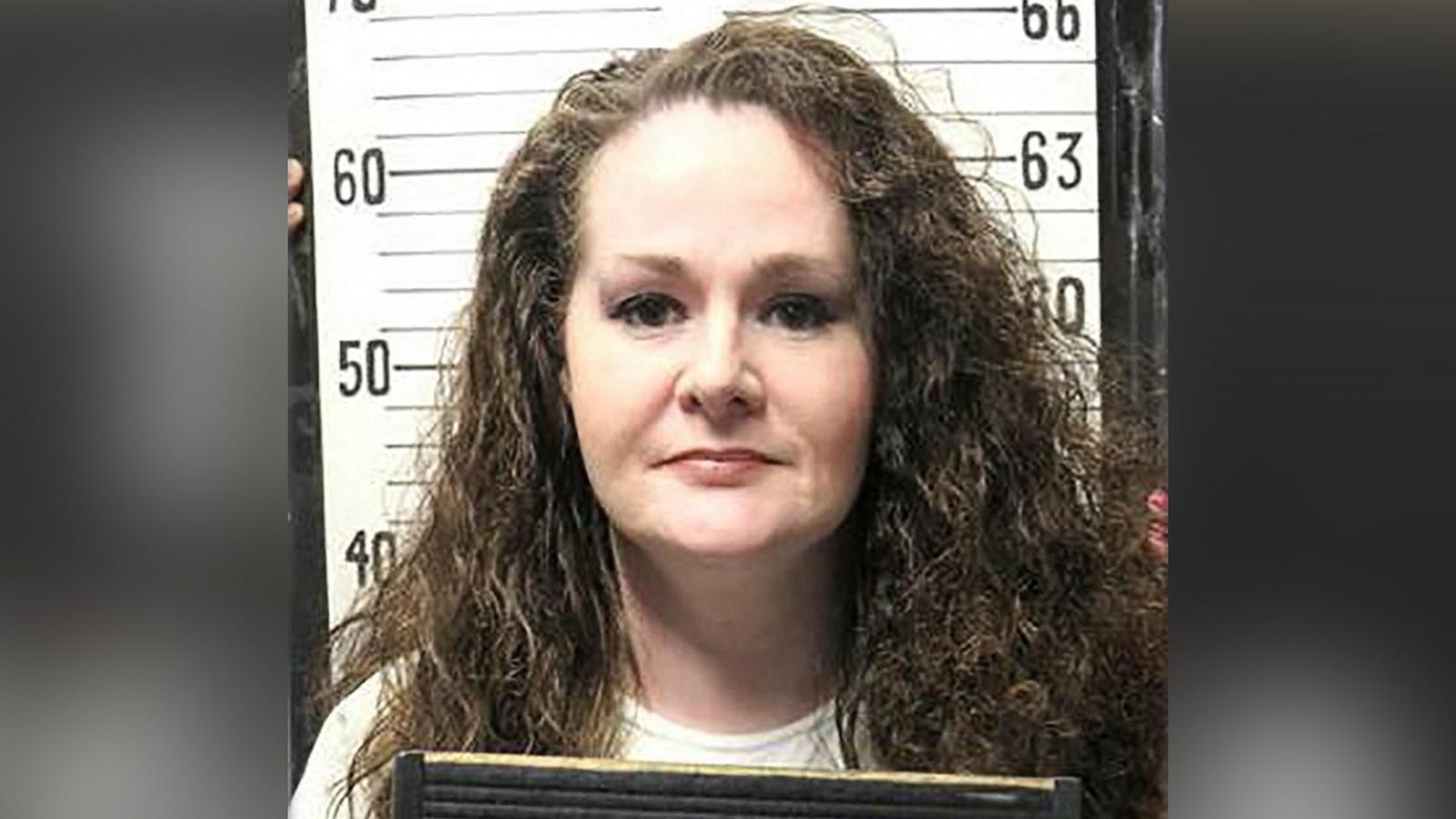
The room went quiet when the second syringe emptied. Witnesses later said they could still hear her. Christa Pike, fifty years old and thirty years on death row, did not stop breathing. She snored. Loudly. Behind a closed curtain in a Nashville execution chamber, the woman Tennessee meant to kill that night kept making noise.
Two doses of pentobarbital were supposed to end it. The protocol had been written, approved, and used before. This time the heart kept beating. The chest kept rising. Media witnesses were led out at 8:53 p.m. while the sound of snoring still carried through the wall. Ambulances arrived with lights flashing.
By late Wednesday she was no longer on the gurney. She was in a hospital. Officials confirmed only that she had been moved to an off-site medical facility. Her lawyers said they had not been told her exact condition. That silence became the story. People wanted to know if her brain still worked, if her organs were failing, if she would wake.
The night had already been chaotic. An appeals court stopped the execution an hour before it was scheduled. The Supreme Court later lifted that stay. Hours after the original time, the state tried anyway. The curtain opened, closed, opened again. Then it stayed down while she snored.
She was eighteen when she helped torture and kill Colleen Slemmer in the woods near a Knoxville job-training camp. A pentagram was carved into the victim’s chest. Pike kept a piece of skull and showed it off. A jury sent her to death row at twenty. She became the only woman waiting to die in Tennessee.
For years her lawyers argued the girl who committed that crime was already broken. They described childhood rape, neglect, and untreated mental illness. They said the teenage brain that planned the attack was not the same mind that later painted in prison and mentored other women. Courts rejected those claims again and again.
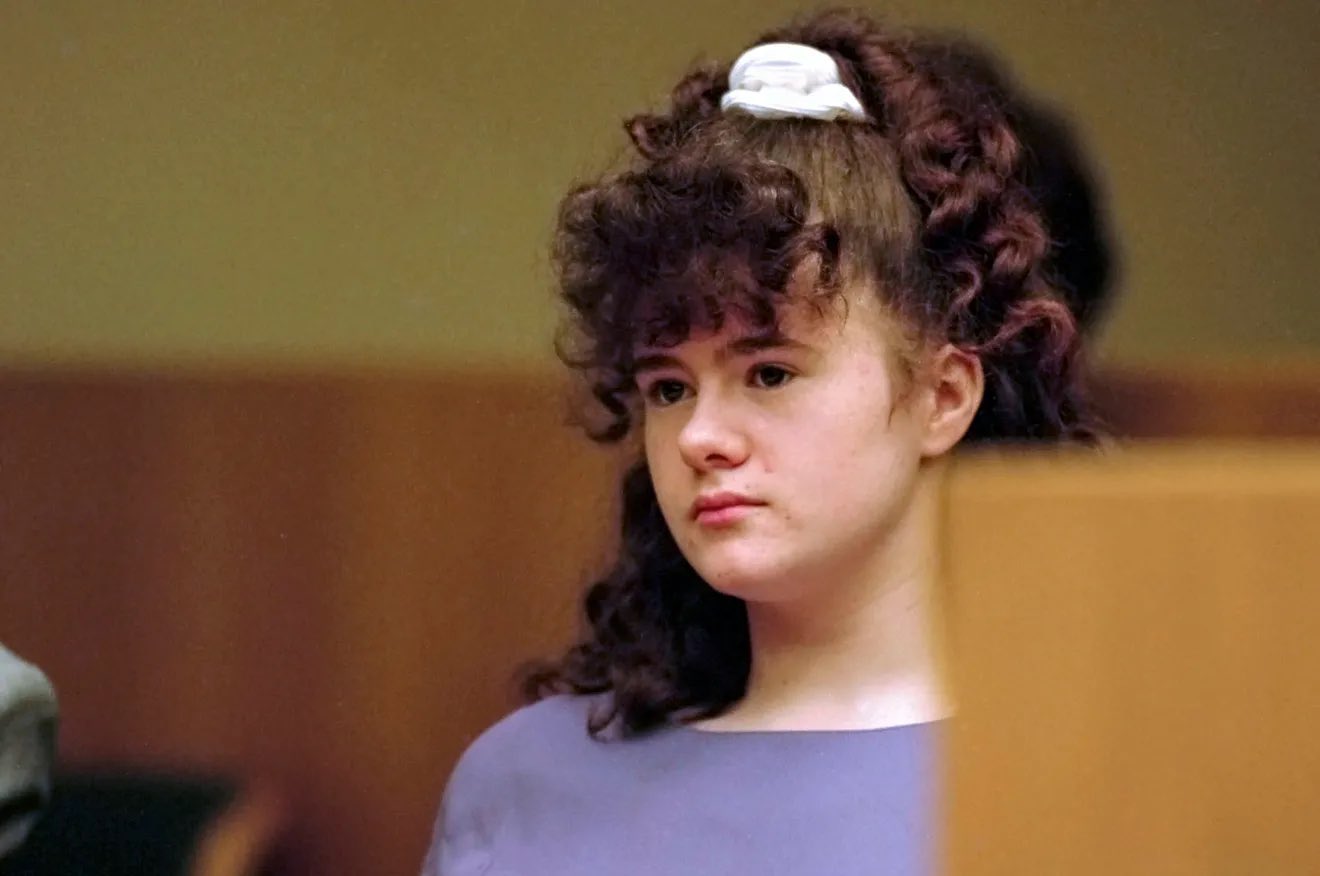
Governor Bill Lee refused clemency days before the date. He said the sentence would stand. Then the needle failed. After the second injection did not kill her, Lee ordered a full third-party review of what happened and canceled every remaining execution scheduled for the rest of 2026. The pause was immediate.
That decision changed the temperature. People who wanted her dead now asked whether the state could try again. People who wanted her spared asked whether surviving the official protocol created a new legal problem. No one had a clean answer by Thursday morning.
The same doctor who could not place a line in another inmate earlier this year was involved again, according to reports circulating after the attempt. Lawyers alleged blown veins and questions about the drugs themselves. The Department of Correction said it followed every step of the approved protocol and that the chemical had worked in the past.
Inside the hospital, whatever was happening to her body remained private. That vacuum filled with speculation. Some said she might never fully recover. Others said a woman who lived through two lethal doses could not be put through it a second time without raising cruel-and-unusual questions the courts would have to hear.
Colleen Slemmer’s family had waited three decades. Her mother had said she wanted the sentence carried out so her daughter could finally rest. The botched attempt did not give that ending. It gave another chapter no one had written.
Pike herself had told supporters she was at peace and not afraid to die, only nervous about the process. The process then failed in public view. The snoring became the detail that traveled fastest. It turned an execution into something people could not stop talking about.
Questions now sit on two tracks. One is medical: what did two doses of pentobarbital actually do to her? The other is legal: can Tennessee schedule another date after this, or does surviving the state’s own method change the case? Neither answer was official when the sun came up on October first.
The prison that prepared to kill her instead sent her out in an ambulance. The governor who refused mercy ordered a review. The courts that cleared the way now face a woman who is still alive. That is why the old arguments about trauma and justice feel new again.
Whether any of this leads to her walking free is still only a question. No commutation has been granted. No court has vacated the death sentence. What exists is a failed procedure, a hospital bed, and a statewide halt on further executions while investigators try to explain how two lethal injections left her snoring.
The story that began with a teenage murder in 1995 is now a story about a needle that did not work. People are reading it because the ending they expected did not arrive. They want the next sentence. They want to know if the woman who survived the chamber will ever leave it as anything other than a prisoner.



Fans are amazed, A side we never thought existed in Serena. This is not for young fans: Serena Williams’ Poses 👙 Look Sparked Instant Chaos… check in now before it gone

Look at 25 Venus Williams’ private photos that dazzled everyone – Six Takeaways….👇

Taraji P. Henson 56 and Mary J. Blige 55 show off their MILF figures in the Mediterranean Sea while visiting Porto Cervo in Sardinia, a large island off Italy’s coast. See more Mesmerizing Photos and Videos…👇

Taylor Swift and Brother-in-law Jason Kelce out tailgating at the Chiefs VS Chargers Game

Travis Kelce Arrives Hand in Hand With Wife Taylor Swift Looking Stunning at Arrowhead Stadium for Their First-Ever Couple Tunnel Walk

Taylor Swift Spotted Looking Emotional as She Watches Tyquan Thornton Try to Stand Up Before Realizing His Ankle Is Broken After a Big Play Against the Raiders – A Heartbreaking Moment as Brittany Mahomes Comforts Taylor as She Struggles to Hold Back Her Emotions

Taylor Swift Stuns as She Is Spotted at Allegiant Stadium With Brittany Mahomes, Who Shows Off Her New Arm Tattoo to Taylor, as They Support and Cheer for Their Husbands, Travis Kelce and Patrick Mahomes, During the High-Stakes Chiefs vs. Raiders Game

Taylor Swift Breaks NFL Protocol Again and Rushes to Hug Husband Travis Kelce as He Leads the Charge Onto the Field at Allegiant Stadium for Chiefs vs. Raiders Game

Taylor Swift and Husband Travis Kelce Spotted in an Adorable Moment as They Stroll Onto the Field at Allegiant Stadium for Warmups Ahead of Chiefs vs. Raiders Game

Taylor Swift Steals the Spotlight as She Shouts “My Mr. Cleveland” and Runs to Hug Husband Travis Kelce Upon His Arrival at Allegiant Stadium for Chiefs vs. Raiders Game

Taylor Swift Arrives in Las Vegas on Her Private Jet Alongside Her Parents Andrea and Scott Swift and Husband Travis Kelce’s Parents Donna and Ed Kelce to Support Travis at the High Stakes Chiefs vs. Raiders Game
