
CELEBRITY
Taylor Swift Finally Reacts to Christa Pike Case After She Survives Two Lethal Pentobarbital Injections – Then Deletes the Post

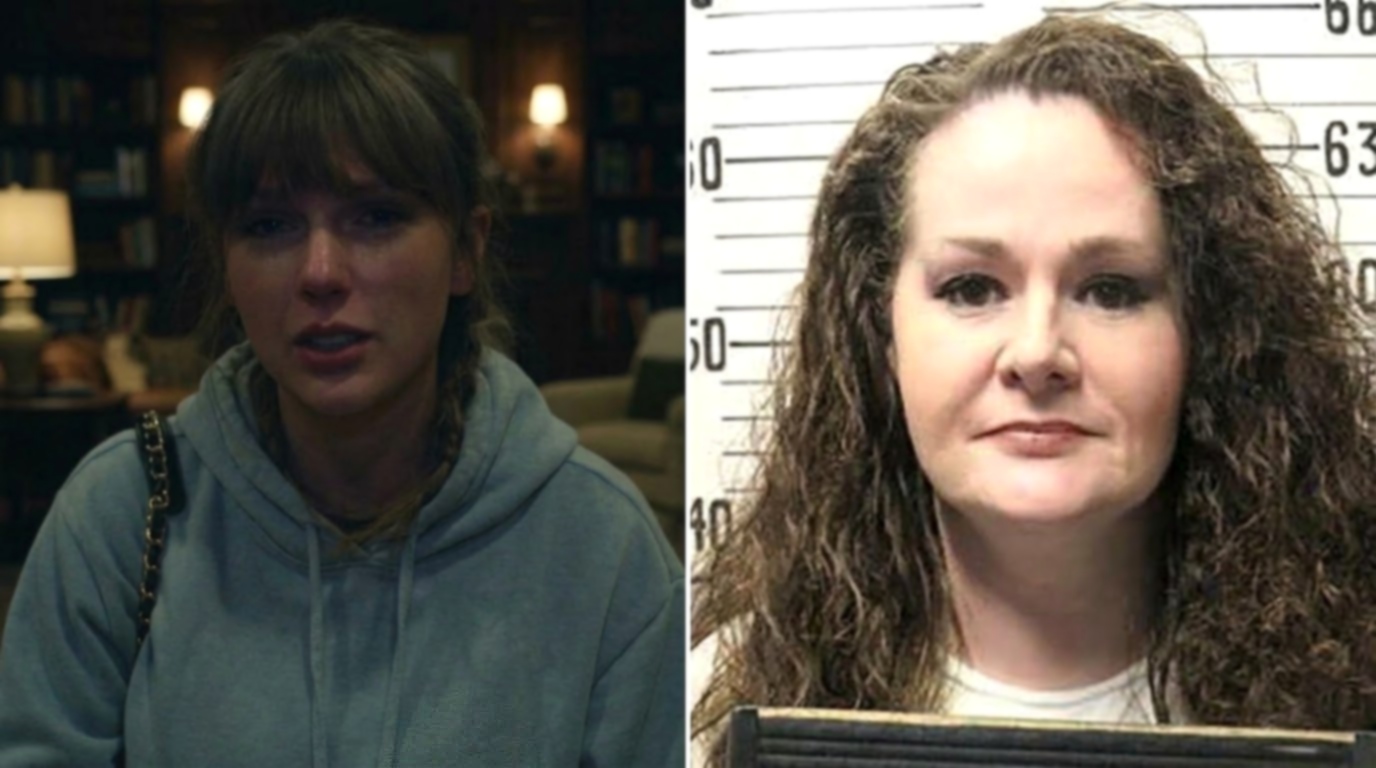
The post was up long enough to screenshot and not long enough to save. That was the whole trick. One moment Taylor Swift’s name sat on top of a death-row story. The next moment the caption was gone, and everybody swore they had seen it first.
Christa Pike was supposed to be dead by then. Two syringes of pentobarbital had already gone in. Witnesses said the curtain dropped, rose, dropped again. Behind it she kept snoring. An ambulance took her out of the prison while the state tried to explain how a lawful execution had left her breathing.
By morning the medical file was still a blank. Lawyers said they had not been told her condition. Officials confirmed only that she was in a hospital. That silence made room for a bigger noise. People wanted a famous voice to say the thing they were already thinking.
Then the voice appeared. Or people said it did. A story. A line. A deleted square of text that vanished before the comments could pile up. The ones who claimed to see it could not agree on the words. They only agreed that it existed long enough to feel real.
That disagreement became fuel. Some said she wrote that no person should die like that. Some said she mentioned a girl who never got help. Some said there were no words at all, only a look that felt like judgment. None of it could be proven. All of it moved.
The crime underneath the frenzy was thirty years old and still ugly. Pike was eighteen when she helped lure Colleen Slemmer into the woods. The attack lasted long enough for begging. A pentagram was cut into skin. A piece of skull left the scene in someone’s pocket.
A jury looked at that and chose death. Pike was twenty when the sentence landed. She cried for her mother in court. Decades later she said she was at peace and only nervous about the process. The process then failed in front of strangers with notebooks.
Tennessee had already refused mercy. The governor would not commute. The high court would not stop it. An appeals court paused it for an hour, then lost. The state went forward after dark and watched the protocol stall on a living body.
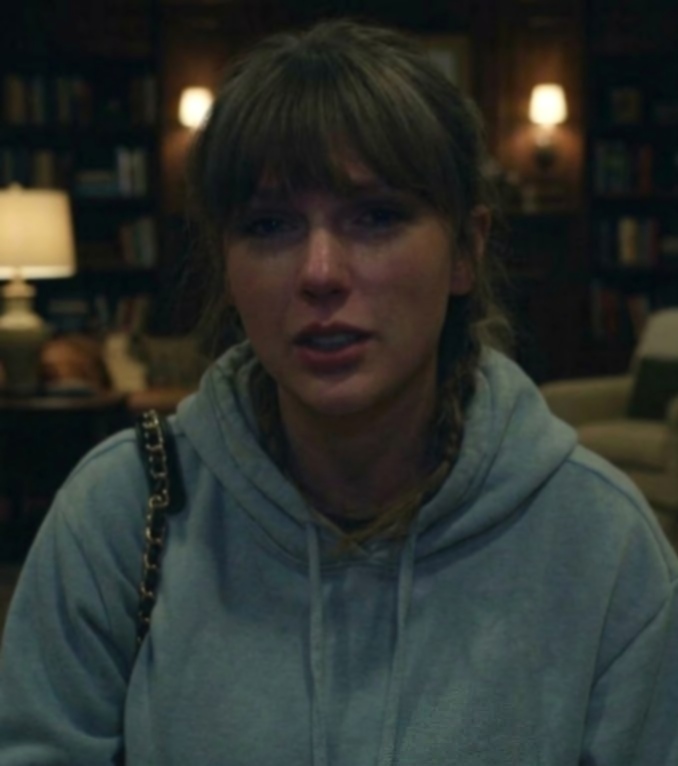
A pop star deleting a post should not matter next to that. It did anyway. Taylor almost never walks into an active execution story. That rarity made twelve seconds feel like a confession. People treated the deletion as the loudest part of the sentence.
Screenshots multiplied in different fonts and different crops. Each version claimed to be the original. Each denial made the last version look truer. The fight was not really about punctuation. It was about whether she had chosen a side.
One side posted the victim’s face and the souvenir bone. The other side posted childhood rape claims and a woman snoring after two lethal doses. Taylor’s missing caption sat in the middle like a locked door. Everybody wanted the key. Nobody had it.
The hospital stayed quiet while the internet got louder. Was her brain intact. Were her organs failing. Could she speak. Could the state try again after the official method left her audible. Those questions were already burning. A vanished post threw gasoline.
Governor Bill Lee ordered a review and froze the rest of the year’s executions. That was policy. It did not trend like a deleted square from the most watched woman on earth. Policy rarely does. Mystery does.
Colleen Slemmer’s name rose beside Taylor’s for a few ugly hours. A girl murdered in 1995 was suddenly attached to stadium lights and rumor. Her mother had wanted the sentence finished so her daughter could rest. The needle did not finish it. The rumor would not let it rest either.
Pike’s lawyers had spent years saying the girl who killed was already shattered. Courts said the crime still counted. Surviving the chamber did not erase the verdict. It only made the next decision harder to look at without flinching.
A deleted post creates a special kind of evidence. You cannot quote what is gone. You can only watch people rebuild it from memory and want. That reconstruction is messier than a statement and far more shareable. Want always travels faster than confirmation.
By the time the sun was high, two clocks were running. One was medical. One was cultural. Doctors held the first. Screenshots held the second. Neither clock had stopped. Both were loud enough to keep strangers refreshing a name they had not known yesterday.
If Taylor never posted, the fever still worked. The idea of her looking, typing, and erasing was enough. If she did post, the erase made it feel forbidden. Either version served the same hunger. People wanted a famous hand on a story that smelled like failure.
The facts that remain are blunt. Two doses. A snore. A hospital. A paused calendar of deaths. A sentence that did not end when it was supposed to end. Everything else is smoke pouring out of a caption that may never be recovered.
That smoke is why the headline feels live. Not because a court set her free. Not because a star issued remarks on letterhead. Because something flickered, disappeared, and left a chamber full of unanswered sound. People are still leaning toward that sound, waiting to hear who speaks next.





Fans are amazed, A side we never thought existed in Serena. This is not for young fans: Serena Williams’ Poses 👙 Look Sparked Instant Chaos… check in now before it gone

Look at 25 Venus Williams’ private photos that dazzled everyone – Six Takeaways….👇

Taraji P. Henson 56 and Mary J. Blige 55 show off their MILF figures in the Mediterranean Sea while visiting Porto Cervo in Sardinia, a large island off Italy’s coast. See more Mesmerizing Photos and Videos…👇

Taylor Swift and Brother-in-law Jason Kelce out tailgating at the Chiefs VS Chargers Game

Travis Kelce Arrives Hand in Hand With Wife Taylor Swift Looking Stunning at Arrowhead Stadium for Their First-Ever Couple Tunnel Walk

Taylor Swift Spotted Looking Emotional as She Watches Tyquan Thornton Try to Stand Up Before Realizing His Ankle Is Broken After a Big Play Against the Raiders – A Heartbreaking Moment as Brittany Mahomes Comforts Taylor as She Struggles to Hold Back Her Emotions

Taylor Swift Stuns as She Is Spotted at Allegiant Stadium With Brittany Mahomes, Who Shows Off Her New Arm Tattoo to Taylor, as They Support and Cheer for Their Husbands, Travis Kelce and Patrick Mahomes, During the High-Stakes Chiefs vs. Raiders Game

Taylor Swift Breaks NFL Protocol Again and Rushes to Hug Husband Travis Kelce as He Leads the Charge Onto the Field at Allegiant Stadium for Chiefs vs. Raiders Game

Taylor Swift and Husband Travis Kelce Spotted in an Adorable Moment as They Stroll Onto the Field at Allegiant Stadium for Warmups Ahead of Chiefs vs. Raiders Game

Taylor Swift Steals the Spotlight as She Shouts “My Mr. Cleveland” and Runs to Hug Husband Travis Kelce Upon His Arrival at Allegiant Stadium for Chiefs vs. Raiders Game

Taylor Swift Arrives in Las Vegas on Her Private Jet Alongside Her Parents Andrea and Scott Swift and Husband Travis Kelce’s Parents Donna and Ed Kelce to Support Travis at the High Stakes Chiefs vs. Raiders Game
